Every now and then, I come across a nutrient that quietly transforms the way a body feels, functions, and heals. Boron is one of those hidden gems. You don’t see it splashed across supplement ads or nutrition headlines—but once you understand what it does, it’s hard not to appreciate its impact.
I love shining a light on the nutrients that quietly do big things for our health—especially the ones that rarely get much attention. Boron is one of those quiet helpers. It doesn’t have the star power of magnesium or calcium, but it plays beautifully in the background, influencing hormone balance, bone strength, inflammation, and even mental clarity.
And for postmenopausal women, boron has some especially intriguing benefits worth exploring.
Let’s dig into what makes this little mineral so fascinating.
What Boron Does Behind the Scenes
Boron isn’t widely discussed in most nutrition conversations, but in functional nutrition, we look closely at how even the smallest nutrients support the entire system. Boron is involved in:
✨ Bone metabolism
✨ Hormone regulation
✨ Inflammatory pathways
✨ Antioxidant defenses
✨ Cognitive function
It doesn’t work alone—boron partners with calcium, magnesium, vitamin D, and estrogen to keep the body in balance. When boron is consistently present through food or supplementation, many people notice improvements in energy, clarity, and overall well-being.
Boron and Bone Health
Bone health becomes a bigger priority for women during and after menopause. Boron helps the body:
-
absorb calcium more efficiently
-
retain magnesium
-
activate vitamin D
-
maintain overall bone density
Even though it’s present in tiny amounts, boron acts like a “nutrient amplifier,” ensuring the bigger minerals and vitamins can do their jobs.
Boron’s Effect on Estrogen in Postmenopausal Women
Research suggests that boron may help the body maintain more balanced hormone levels during menopause. Specifically, boron supplementation (often around 3 mg/day) has been shown to:
✅ increase circulating estrogen
✅ enhances the body’s use of existing estrogen
✅ supports healthier hormone metabolism
This isn’t the same as taking hormone replacement therapy—but boron seems to help the body optimize the estrogen that’s still present. It may also support vitamin D status, testosterone balance, and bone mineral density.
In other words, boron subtly supports the hormone shifts that happen during the postmenopausal years and may help soften some of the symptoms associated with estrogen decline.
Boron’s Anti-Inflammatory and Antioxidant Support
Chronic inflammation is behind so many modern health concerns—from joint pain and sluggishness to blood sugar fluctuations and brain fog. Boron has been shown to reduce inflammatory markers, such as CRP, and to support antioxidant enzymes.
When inflammation subsides, people often report feeling lighter, clearer, and more mentally present. That’s boron quietly doing its job.
Brain Benefits
Low boron intake has been linked with slower thinking, reduced motor coordination, and fuzzy attention.
When intake is adequate, people often report:
-
clearer focus
-
better short-term memory
-
improved alertness
-
smoother mind-body coordination
Again, nothing flashy—but meaningful.
Where to Find Boron in Food
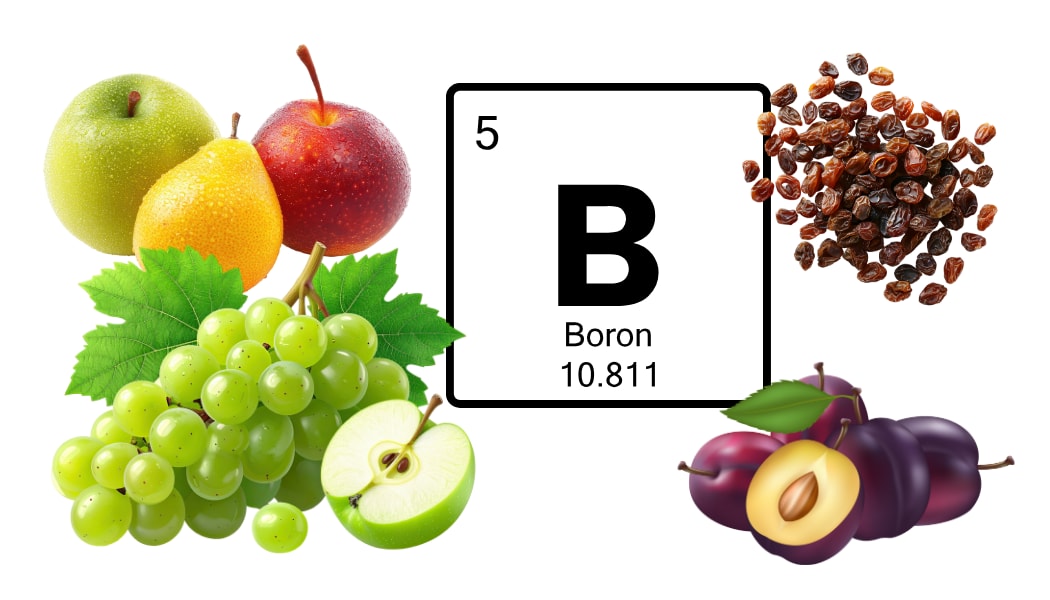
Boron is abundant in plant foods, especially those grown in nutrient-rich soil. Some of the richest sources include:
-
avocados
-
almonds
-
raisins, dates, and prunes
-
leafy greens
-
beans and lentils
-
apples, pears, and grapes
-
carrots
-
nuts and nut butters
Boron is also found in beverages such as tea, coffee, red wine, and apple juice.
Whole foods first—always.
When Boron Supplementation Might Help
Although there’s no official RDA for boron, many adults naturally consume 1–3 mg per day through diet. Supplemental doses often range from 1–6 mg/day.
Supplementation may be helpful for:
-
postmenopausal women
-
people with low plant-food intake
-
those with chronic inflammation
-
anyone experiencing brain fog or sluggish cognition
-
individuals with bone density concerns
Because boron influences hormone activity, it’s wise to personalize dosing and ensure other minerals—especially magnesium and vitamin D—are also sufficient.
The Bottom Line
Boron may be tiny, but its impact is mighty.
It helps stabilize hormones, strengthen bones, reduce inflammation, and support mental clarity—especially during and after menopause. And while it rarely makes headlines, boron deserves a spot in the conversation about functional nutrition and women’s health.
Closing CTA:
If this sparked curiosity, share it with someone who might benefit—or hit “subscribe” to keep exploring the powerful ways nutrition shapes every season of life. And if you’d like a deeper dive into supportive nutrients for women’s health, let me know what you’d like to see next!