
Introduction: Aging Is Not Decline—It’s Adaptation
There’s a quiet but powerful truth I want you to carry with you:
Your brain is not passively aging; it is actively responding to how you live.
As the years bring more wisdom, they also invite us to become more intentional. Cognitive health is not something we “hope to keep.” It is something we build, day by day, through how we move, nourish, rest, and engage with the world around us.
We often talk about exercise for the body and nutrition for physical health, but the brain? It sits at the center of it all—metabolically active, deeply responsive, and profoundly adaptable.
Let’s talk about how to support it in a way that feels both grounded in science and deeply human.
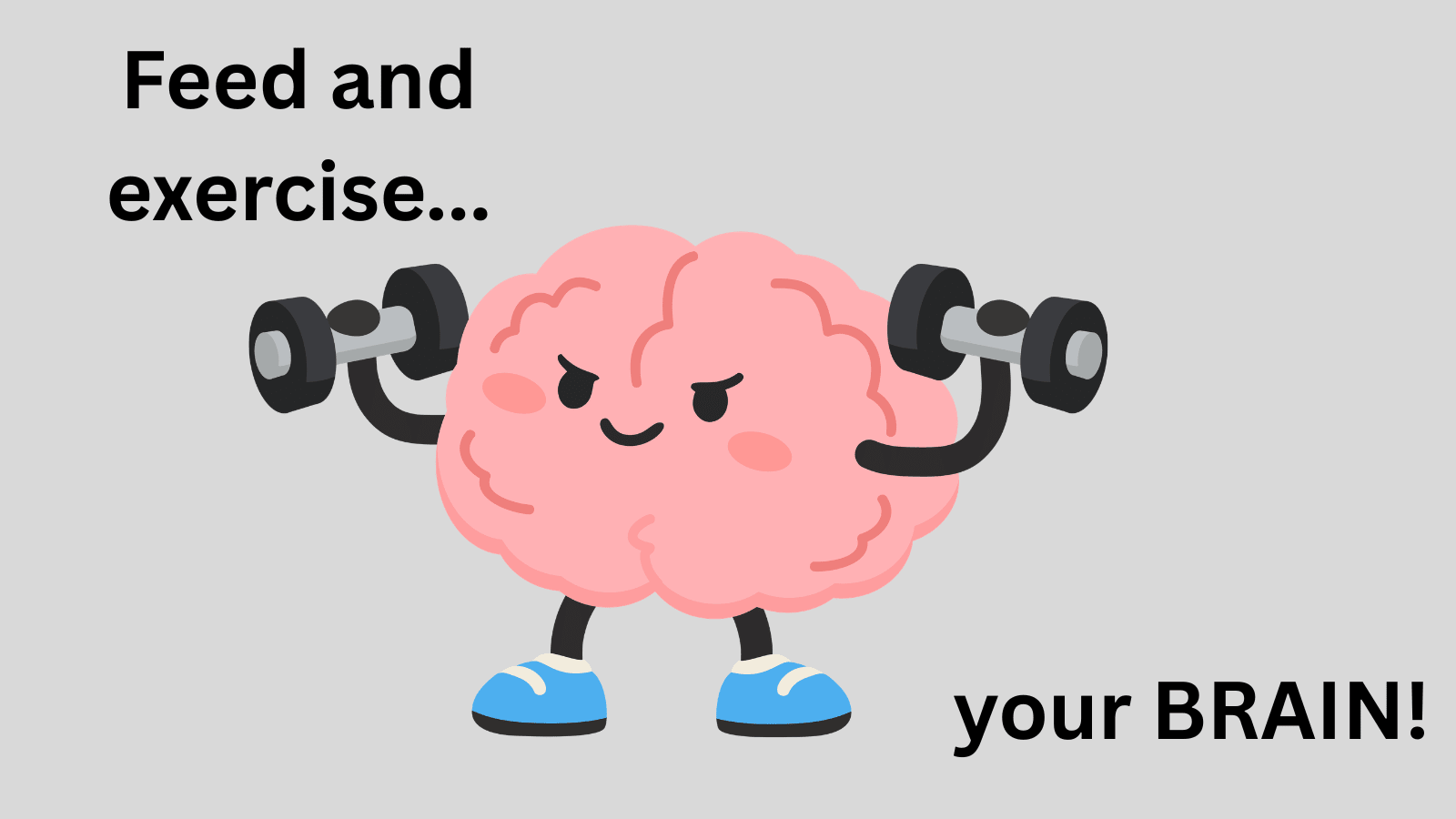
Your Brain Needs a Workout, Too
Just like your muscles, your brain thrives on use.
Mental engagement is not just about staying busy. It’s about creating stimulation that challenges and stretches your neural pathways. When you learn something new, solve a problem, or even connect meaningfully with another person, your brain responds by strengthening existing connections and forming new ones. This is neuroplasticity, and it remains available to you across the lifespan.
Think about it this way:
Every time you step outside of routine, whether it’s learning a new recipe, dancing in your kitchen, picking up a new language, or having a rich conversation, you are signaling to your brain, “Stay engaged. Stay alive.”
And the evidence is clear: consistent cognitive stimulation supports memory, attention, and executive function, and may help reduce the risk of cognitive decline over time.
Movement: Medicine for the Mind
Now, let’s layer in physical movement because the brain does not exist in isolation from the body.
When you move your body, you are increasing blood flow to the brain, delivering oxygen and nutrients exactly where they are needed. But it goes deeper than that. Physical activity stimulates the release of growth factors that support the creation of new neurons and enhance synaptic plasticity, the ability of brain cells to communicate efficiently.
This is where movement becomes more than exercise. It becomes a direct investment in how clearly you think, how well you remember, and how resilient your brain remains.
Even moderate, consistent activity (walking, swimming, dancing, and yoga) has been shown to support cognitive function and reduce the risk of dementia.
And there’s something else we don’t talk about enough. Movement improves sleep. And sleep is where the brain consolidates memory, clears metabolic waste, and restores itself.
Feeding the Brain: What You Eat Matters
Here’s where my heart as a nutritionist comes in.
The brain is one of the most energy-demanding organs in the body. It requires a steady supply of nutrients—not just calories, but quality information in the form of vitamins, minerals, fats, and phytonutrients.
What you eat quite literally becomes the raw material for neurotransmitters, cell membranes, and signaling pathways.
Let’s walk through some of the most impactful nutrients:
Omega-3 Fatty Acids
These are foundational for brain structure and function. Found in fatty fish, flaxseeds, chia seeds, and walnuts, omega-3s support neuronal integrity, communication, and the balance of inflammation. They are, quite simply, essential.
Antioxidants
Colorful fruits and vegetables provide compounds like vitamins C and E that help protect the brain from oxidative stress, a key contributor to aging and neurodegeneration.
B Vitamins
These are the quiet workhorses of brain metabolism. They support energy production, neurotransmitter synthesis, and methylation pathways critical for cognitive health. Think leafy greens, whole grains, and quality proteins.
Polyphenols
Found in berries, green tea, and even dark chocolate, these compounds offer neuroprotective benefits, supporting both blood flow and cellular resilience in the brain.
Creatine
An emerging area of interest, creatine plays a role in brain energy metabolism. By supporting phosphocreatine stores, it may enhance mental performance, particularly during tasks that require sustained focus and rapid processing.
The Power Is in the Combination
Here’s where it all comes together.
Movement alone is powerful.
Nutrition alone is foundational.
Mental engagement alone is stimulating.
But together? They create a synergistic environment where the brain can truly thrive.
This is not about perfection. It’s about patterns.
Practical Ways to Support Your Brain Starting Now
Let’s bring this into your daily life in a way that feels doable and meaningful:
-
Stay mentally engaged: Read, learn, create, connect. Let curiosity lead.
-
Nourish consistently: Build meals around whole, nutrient-dense foods that provide steady energy and micronutrient support.
-
Move your body regularly: Aim for at least 150 minutes of moderate activity each week—but more importantly, find movement you enjoy.
-
Prioritize sleep: Protect your rest as if your brain depends on it—because it does.
-
Eat for your brain: Include foods like fatty fish, berries, leafy greens, nuts, and seeds as regular staples.
A Final Thought: It’s Never Too Late
I want to leave you with this:
Your brain is listening to you—every day.
It listens through your movement.
It listens through your meals.
It listens through how you challenge it and how you care for it.
And the beautiful part?
It responds.
No matter where you are starting from, there is always room to support, strengthen, and nourish your cognitive health.
This is not about chasing youth.
This is about honoring vitality.
Feed your mind well, it will carry you forward with clarity, resilience, and grace.