Breastfeeding is a beautifully designed biological process—but as many mothers quickly discover, “natural” does not always mean effortless.
Behind every drop of milk is a dynamic interplay of hormones, nutrient status, emotional well-being, and effective milk removal. When any part of that system is strained, supply can begin to feel uncertain.
And this is often where the conversation turns to galactagogues.
Let’s walk there thoughtfully.
What Are Galactagogues?
Galactagogues, a word derived from the Greek galacta (milk) and agogos (to lead), are substances that may support milk production. They can be herbal, food-based, or pharmaceutical, and their use spans generations, cultures, and healing traditions.
In my work as a functional nutritionist and lactation consultant, I view galactagogues as supportive tools but not primary drivers of milk supply.
Because the truth is this: Milk supply is built on rhythm, removal, and nourishment, not quick fixes. When those foundations are in place, galactagogues can offer meaningful support.
The Three Pathways of Support
1. Herbal Galactagogues
These are often the most familiar—and the most nuanced.
Fenugreek, blessed thistle, goat’s rue, moringa, and shatavari each bring unique properties. Some support hormonal pathways, others provide nutrient density or influence glandular development.
But they are not one-size-fits-all. The same herb that supports one mother may disrupt another—context always matters. This is where individualized care becomes essential.
2. Pharmaceutical Galactagogues
Medications like domperidone and metoclopramide work by increasing prolactin through dopamine pathways.
In specific clinical situations, they can be helpful. But they are not without risk—and they require careful, informed decision-making.
This is not a casual step. It is a clinical one.
3. Food-Based Galactagogues
This is where I often begin. Because food does more than stimulate, it nourishes.
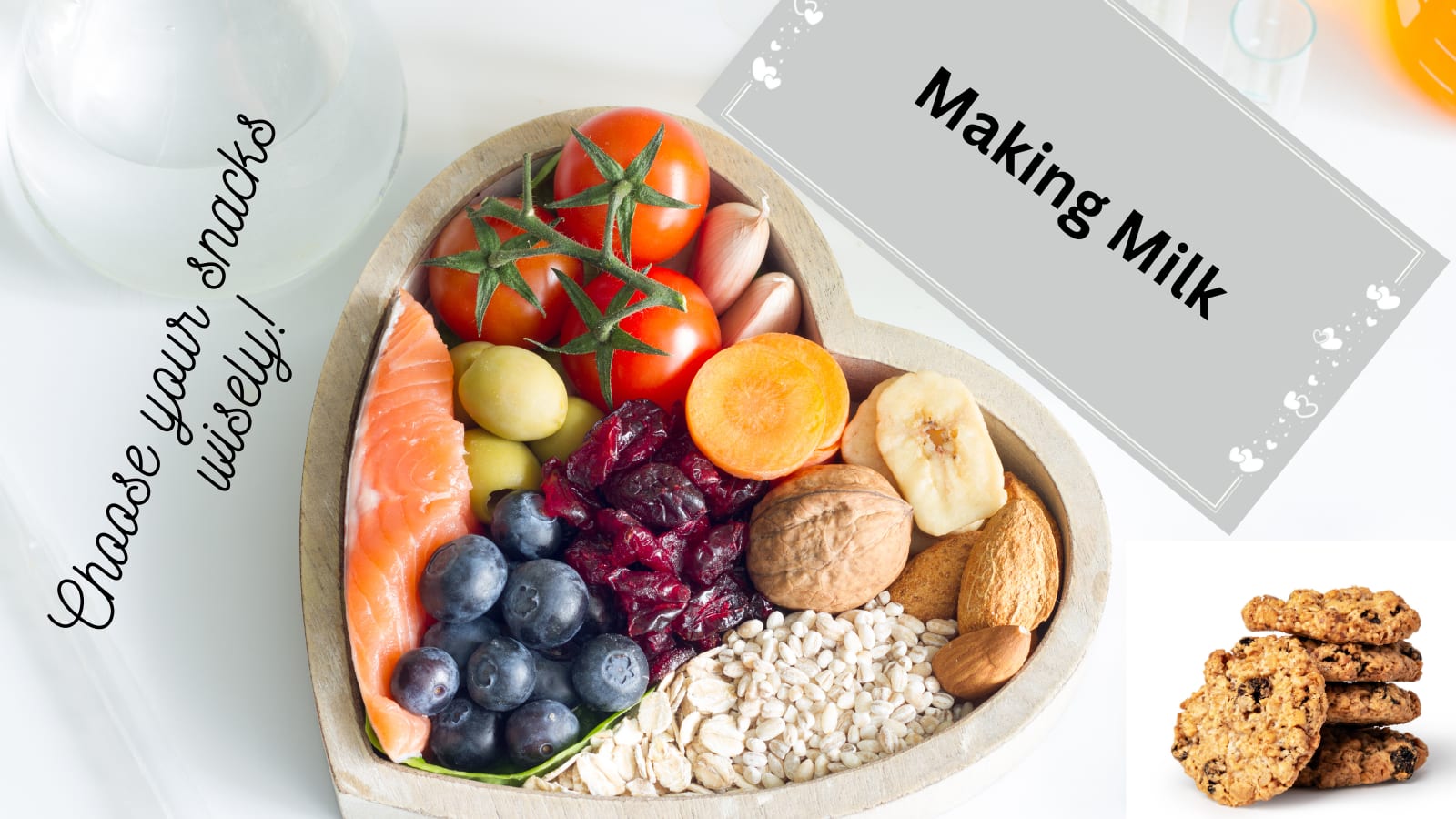
Oats, barley, brewer’s yeast, nuts, seeds, leafy greens, and garlic all offer gentle support while simultaneously replenishing the body.
Food works quietly and it works deeply.
It stabilizes blood sugar.
It rebuilds nutrient stores.
It supports the hormonal environment required for milk production.
When Should You Consider Galactagogues?
They may have a place when:
-
Supply is not meeting infant demand despite consistent milk removal
-
A mother is relactating
-
Lactation is being induced
-
Hormonal or structural challenges are present
But even then, we pause. Because the better question is not just “What should I add?”
It is “What does my body need?”
The Functional Nutrition Lens
Before adding anything new, we assess the foundation:
-
Are you eating enough to meet the energy demands of lactation?
-
Are you getting sufficient protein to support hormone production?
-
Are key nutrients—zinc, choline, B vitamins—present in adequate amounts?
-
Is stress interfering with oxytocin and milk ejection?
-
Is milk being removed effectively and frequently?
Because no galactagogue can override a system that is undernourished or overwhelmed.
Galactagogues are not magic. They are companions.
They work best when layered into a foundation of nourishment, rhythm, and support.
And perhaps most importantly, they can restore something every mother needs:
Confidence.
Nourishing Milk Supply, One Bite at a Time
Food can become one of your most reliable allies in the postpartum period.
Not just for milk production, but for energy, recovery, and emotional steadiness.
These recipes are designed to do more than “boost supply.”
They are here to sustain you.
Lactation Oatmeal Bowl
A steady, grounding start to the day
(Oats, flax, almond butter, and brewer’s yeast come together to support milk production while stabilizing blood sugar.)
Moringa & Lentil Coconut Stew
Deep nourishment with mineral and protein support
(A rich, plant-based meal providing iron, healthy fats, and one of the most powerful lactogenic plants—moringa.)
No-Bake Almond Butter Lactation Bites
Small, powerful, and sustaining
(Perfect for those in-between moments when sitting down for a full meal feels impossible.)
Green Goddess Lactation Smoothie
Refreshing nourishment for busy moments
(A blend of greens, healthy fats, and probiotics to support both milk production and gut health.)
Warm Barley & Sesame Milk Porridge
A calming, mineral-rich traditional support
Barley gently supports prolactin pathways, while sesame provides calcium and nourishing fats. This is a slow, steady energy meal—perfect for long feeding days.
Savory Garlic & Greens Broth Bowl
Hydration, minerals, and gentle lactation support
Hydration is foundational to milk production. This warm broth delivers fluids, electrolytes, protein, and garlic—supporting both recovery and feeding rhythm.
Final Thoughts
Feeding your baby is never just about ounces.
It is about connection.
It is about regulation.
It is about trust.
Remember: Your body is not failing you. It is communicating with you.
And when we listen—when we nourish, support, and respond—we create the conditions for both milk and confidence to grow.
If you are feeling uncertain, please know this: You were never meant to do this alone.
Warmly,
Dr. Jimi Francis